Your AI can know a lot about you and still not know how to work with you.
Yu turns the way you work into instructions your AI can actually use.
the problem
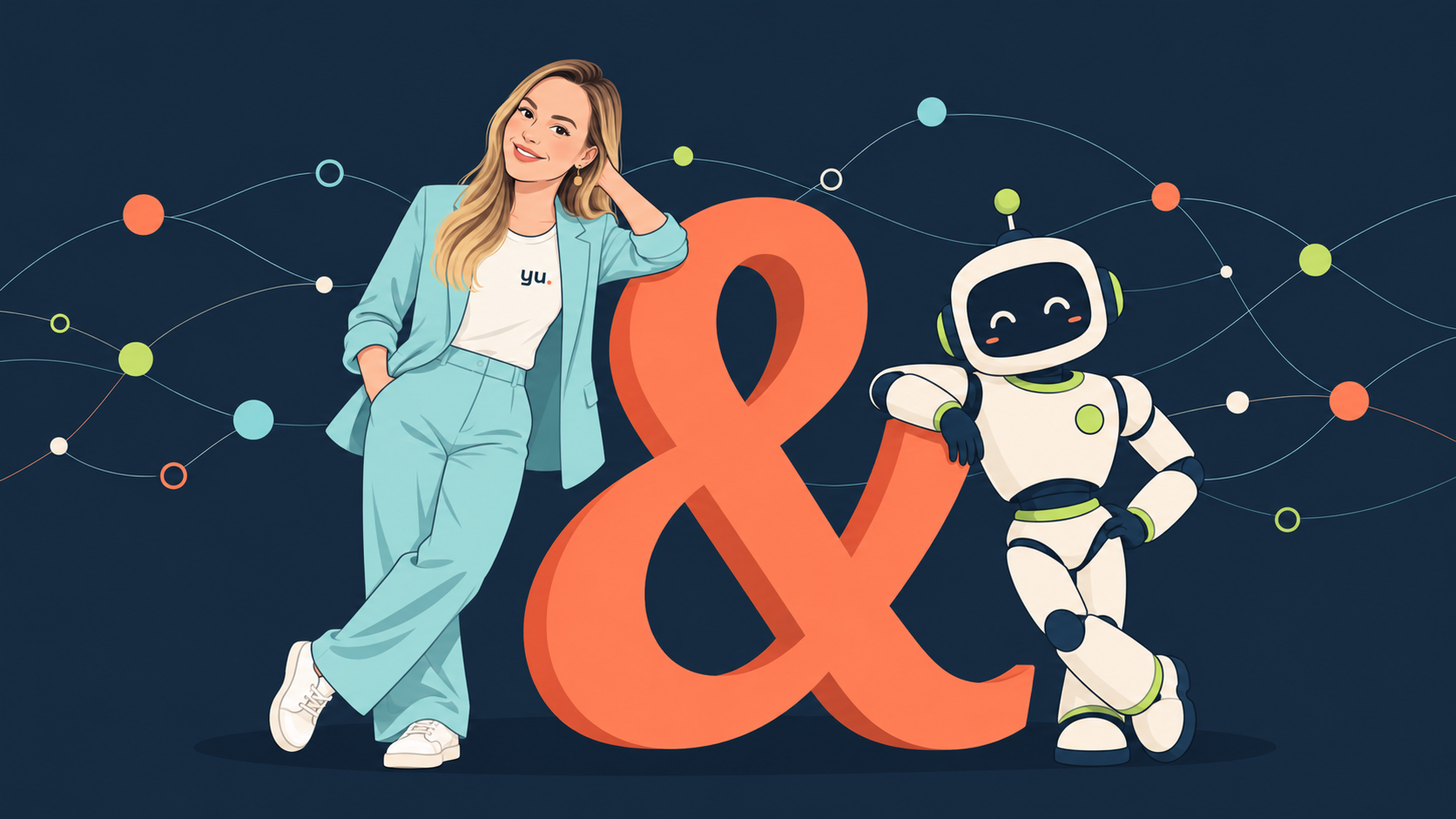
Right now, you are the translation layer.
One AI needs more direction. Another agrees too easily. Another gives you too much. Another starts working before you were done thinking.
So you adjust. You rephrase. You add context. You correct it. You remind it what you meant.
Then you open another AI and start again.
The models keep changing. You don't.
See how different AIs behave →the difference
You've been configuring your AI. Yu translates you for it.
CONFIGURATION
"I prefer short answers."
Useful. But static.
TRANSLATION
"When I'm comparing uncertain options, too much information makes it harder for me to see the decision."
Now the AI can change what it does, when it does it, and why.
The same instruction can be right at the wrong time.
"Challenge me."
If your AI challenges every idea while you're still forming it, a technically correct instruction becomes unhelpful.
"While I'm exploring, help expand and test the idea. When I'm about to commit, switch into challenge mode."
The same preference, with a condition attached.
Yu is building conditional interaction policy, not a prettier prompt. Instructions that change depending on what you're doing.
See the full comparison →how Yu learns
Yu doesn't decide who you are once. It keeps learning.
Yu gives you structured things to do and looks for interaction-relevant patterns in what actually happens.
It shows you what it noticed. You can agree. Correct it. Add context. Reject it.
Only then does Yu translate the finding into something an AI can use.
And when an instruction misfires later, that becomes new evidence.
 Day one
 A few weeks in
 Later
LaterYu isn't trying to build a bigger profile. It's trying to build a more accurate one.
See the methodology →the product
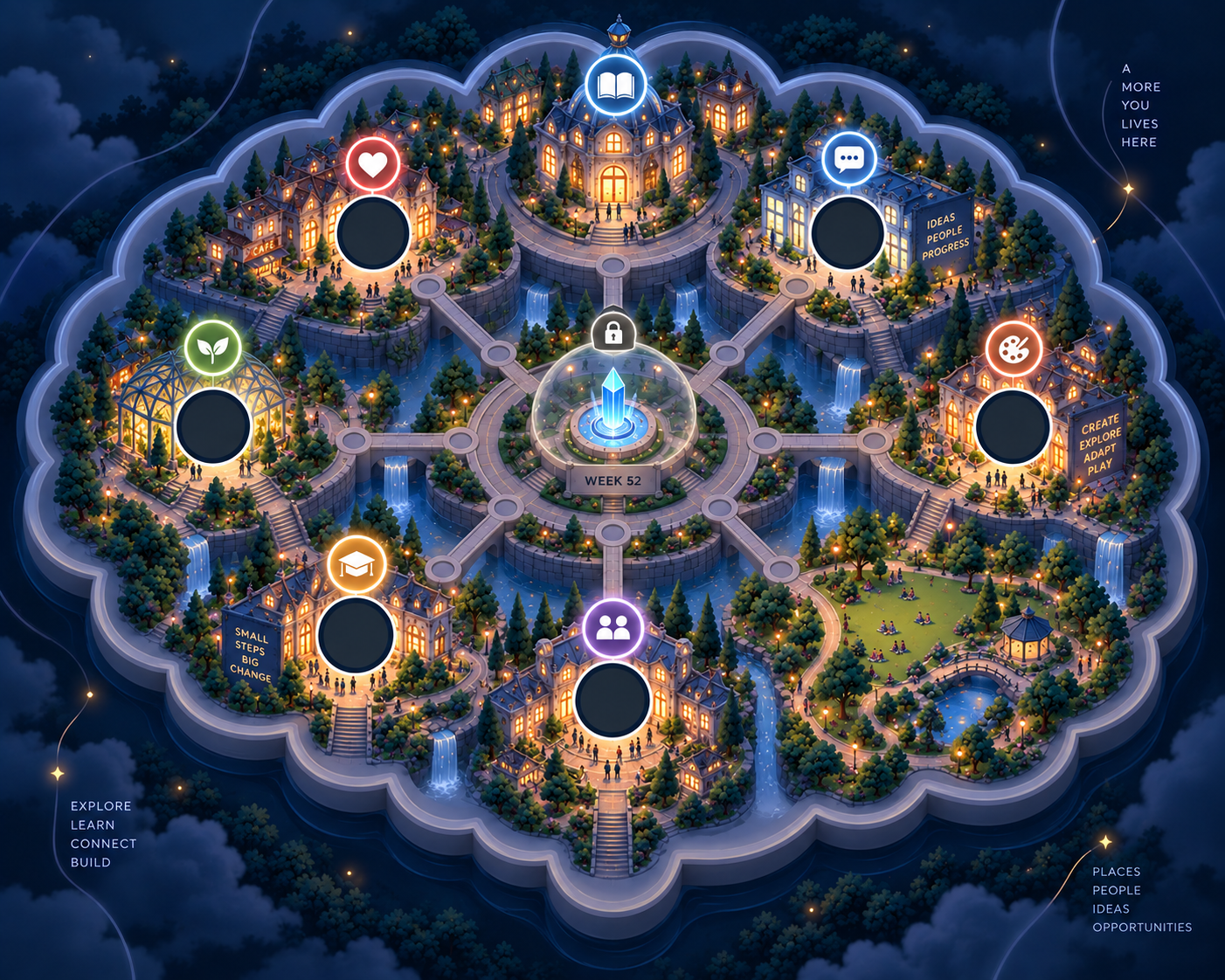
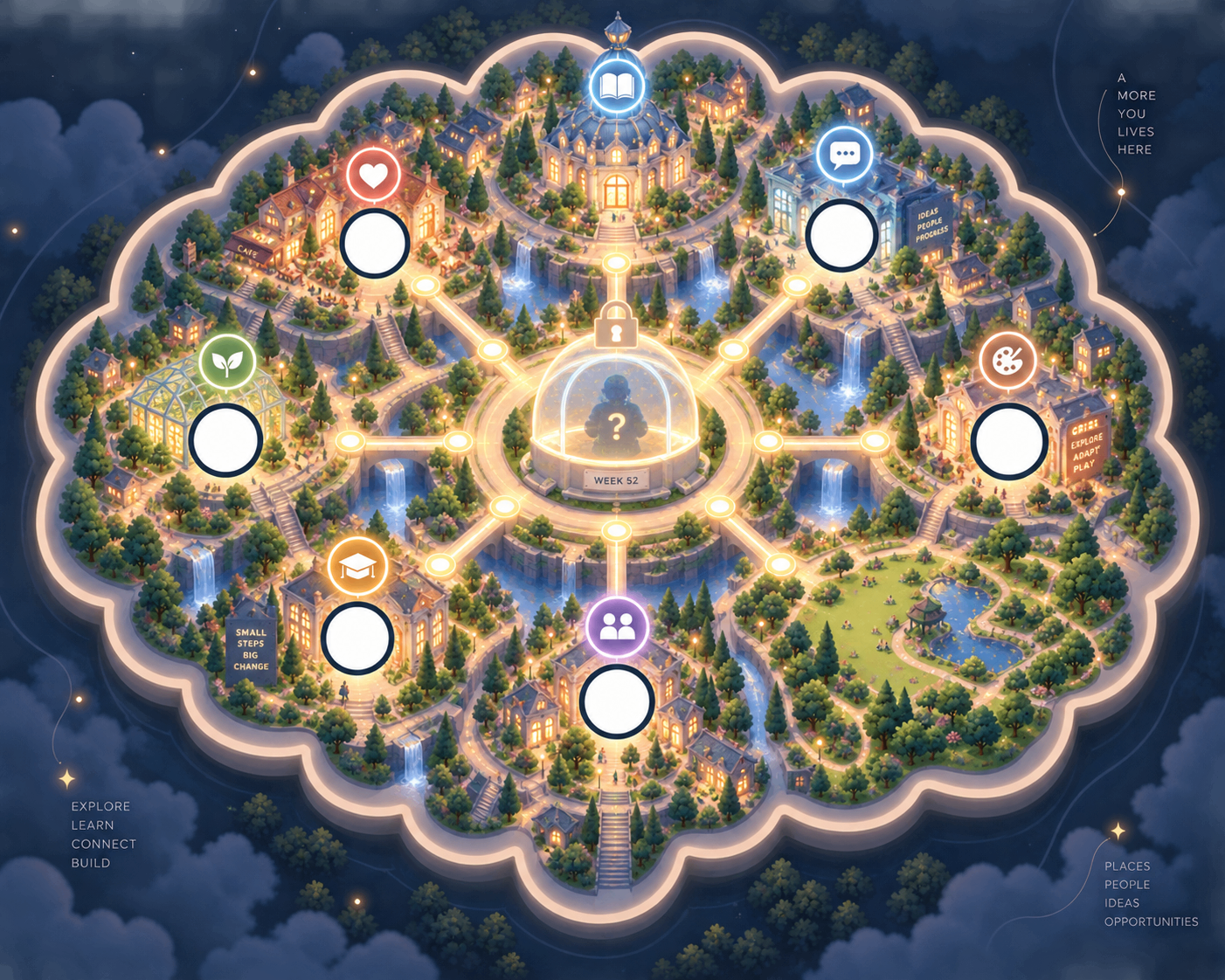
Watch your Yu take shape.
At the beginning, Yu barely knows you. As you learn, answer, react, correct and use what it gives you, the city fills in.
Every light represents something Yu has learned well enough to use.
The product is designed to make a slow, cumulative process visible.
built in, not bolted on
Learn how AI works. Learn how you work.
“The only thing AI can’t do is the thing you didn’t know to ask for.”
Most of the limits people argue about aren’t limits, they’re gaps in what they know how to say.
AI 101 is built in. 4 levels, 19 cards, no jargon. It lives in your city, at the University, next to everything else Yu is learning about you.
See what you can learn


A token is the unit it actually sees
Data is what it read
Weights are what it kept
4 more
It starts over every time.
Everything it knows right now is one packet.
The packet has a budget, and it degrades before it's full.
1 more
The translation problem: where the instructions come from.
The authority hierarchy.
System instructions: the invisible first turn.
2 more
Chat as a dumping ground.
Pattern finding: the same mechanism, both directions.
What to do when it argues.
what Yu pays attention to
Different parts of you change how AI should work with you.
Yu uses these six categories to organise interaction-relevant patterns. Underneath them are individual constructs drawn from established research, Yu adaptations, and hypotheses we are actively testing.
They are an applied product taxonomy, not a claim that the human mind has six parts.
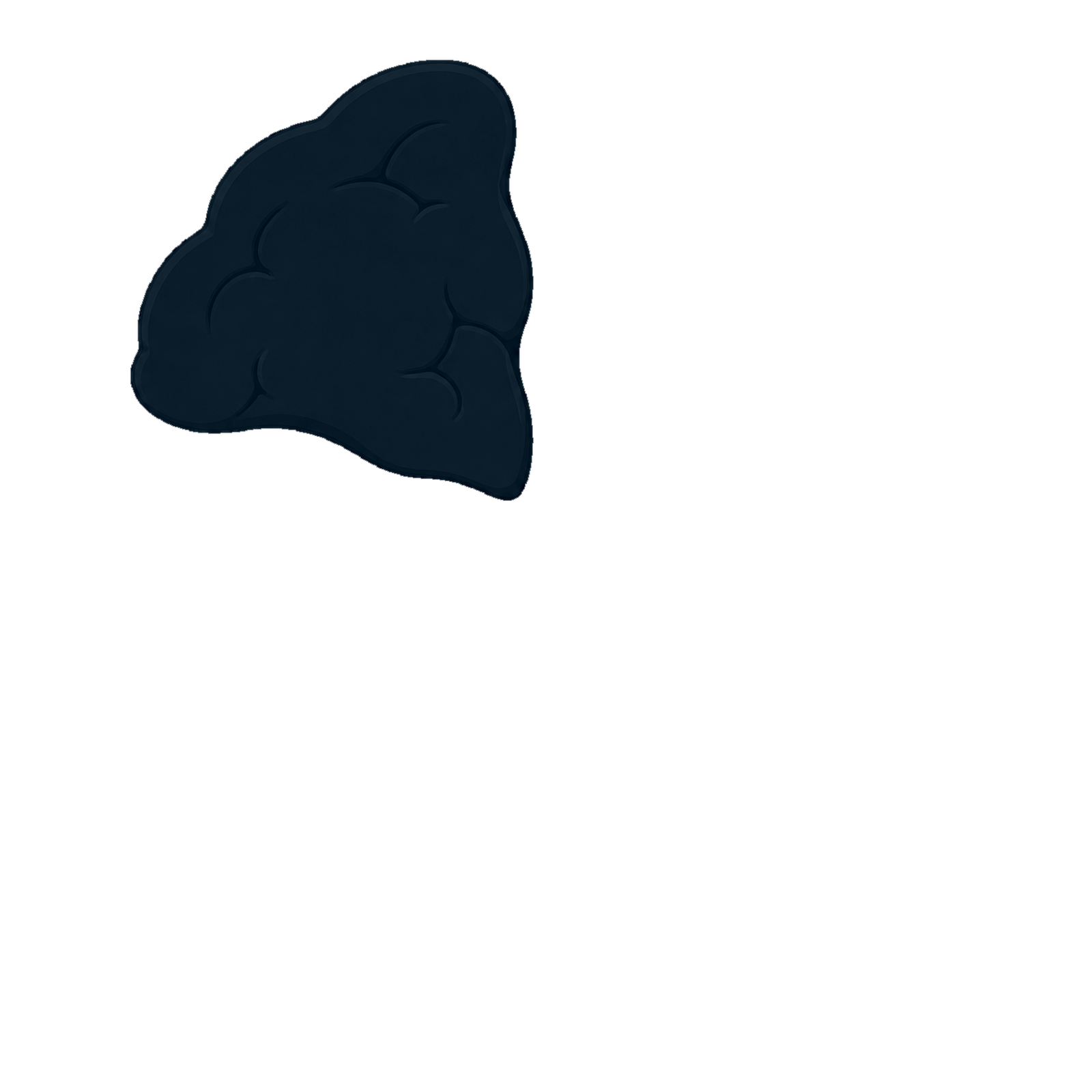
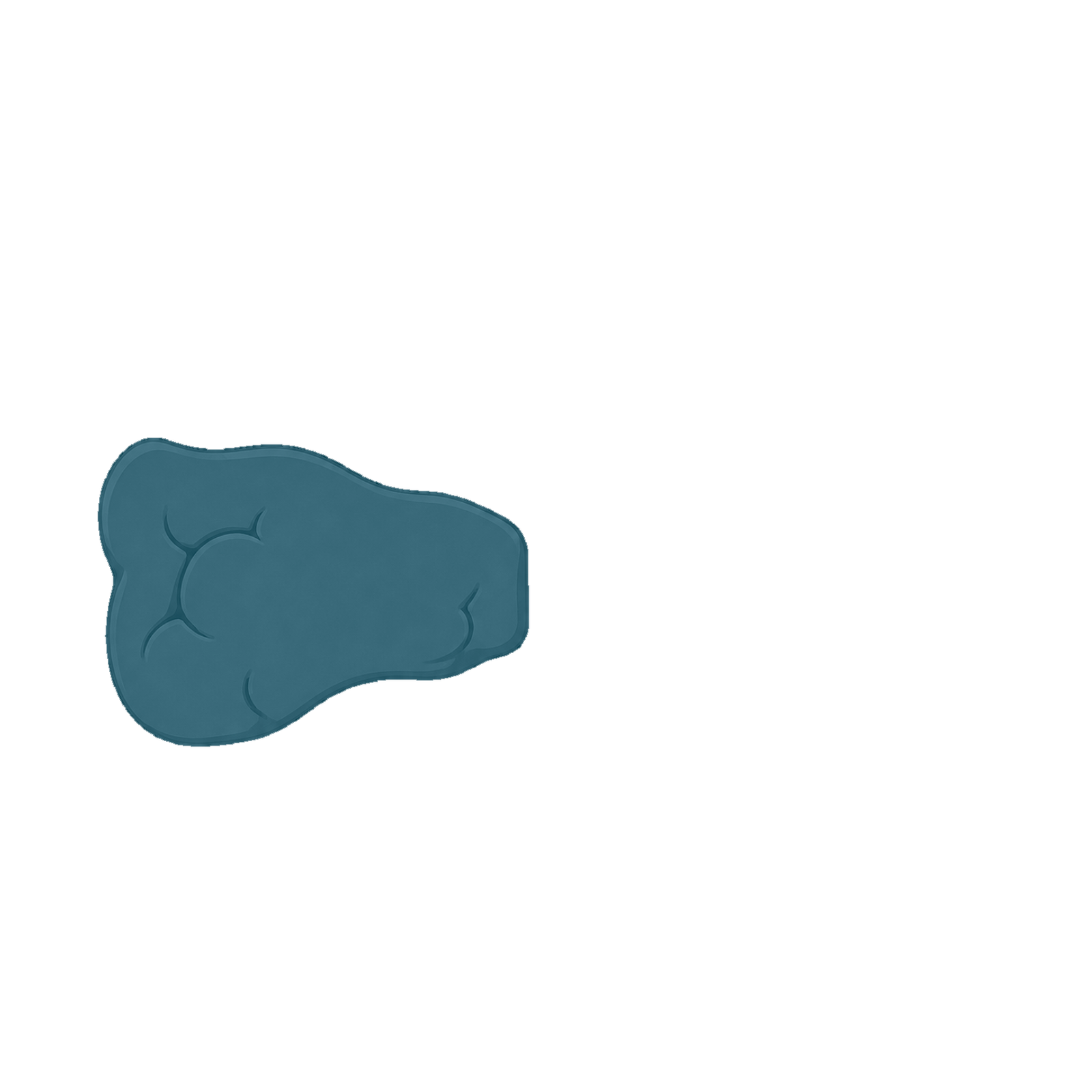
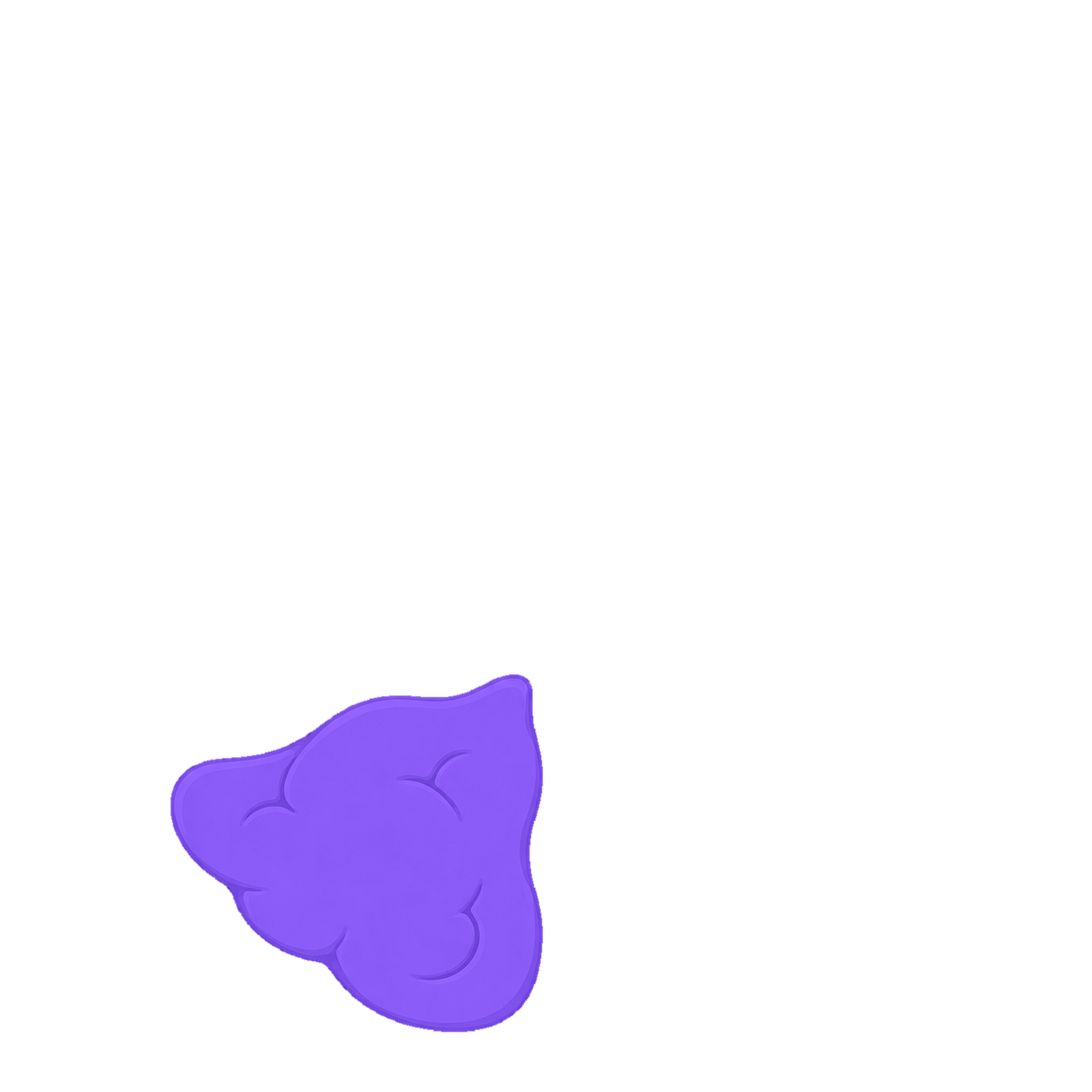
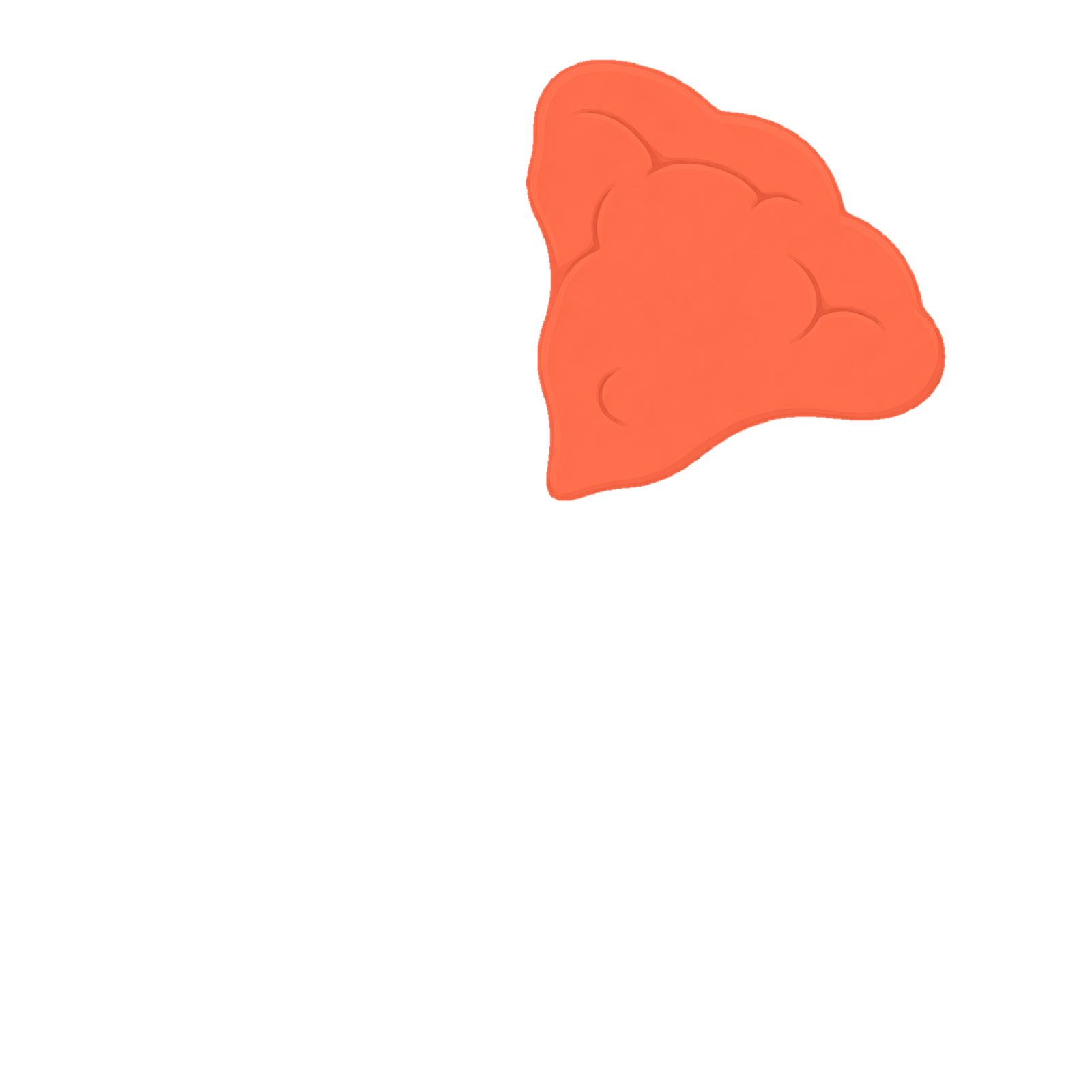

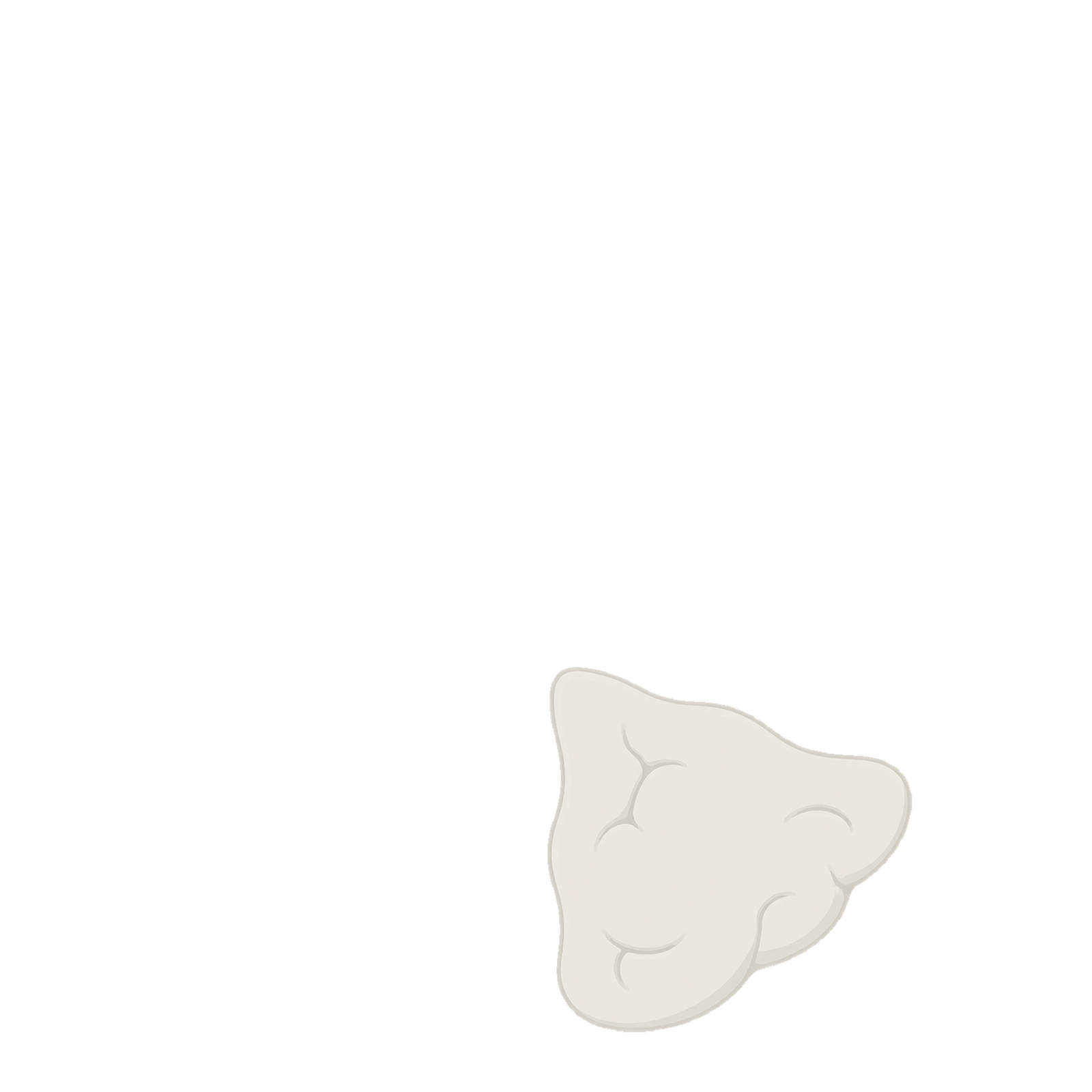
Tap a part of the brain to see what it changes.
Self-awareness as a service.
A user-owned, ever-refining model of how you work, made for any AI that needs to work with you.
Context is everything. Carry yours with you.
Yu doesn’t replace the AI you use. It gives it a better representation of you.
Right now, what makes AI useful to you is scattered across chats, memories, settings, saved prompts and different products. Yu is building one user-owned representation that can become more precise without belonging to one model.
Your Yu
Today you copy your instructions across yourself. Applying them automatically inside each provider is what we are building toward.
Your data is yours.
Portability is the point, not a perk. Today, you can carry Yu's instructions into the AI tools you already use. We're building toward fuller portability and control over time.
Own yours always.
- Your Yu belongs to you
- Copy your instructions into any AI you already use
- We never sell your data
Coming soon.
- Automatic cross-provider application
- Full encryption
- Export or delete everything, any time
building Yu in public
We're building the evidence at the same time as the product.
We don't know everything yet. So instead of pretending we do, we publish what exists, what the research supports, what we're testing, what changed, and what we still don't know.
The current research question
Can real beta users understand the value, start, stay engaged, complete enough of the first 21-step path, and reach the methodology with low correction and confusion?
explore Yu
Everything else, in one place.
- How it worksThe method, week by week.
- LearnWhat Yu teaches you about AI, before you sign up.
- AI CompareThe same question, answered by different AIs.
- Live LabWhat the evidence supports, and what it doesn't yet.
- AboutWhy Paisley built this, and what Yu believes.
- Field NotesWriting from inside the build.
- FAQTime, cost, privacy and the plain answers.
- Open YuGo straight into the live app.
The last AI you'll ever train. The first one that actually gets you.
Build an AI that learns how to work with you.
Pilot 2 opens September 14. Leave your email and we’ll tell you when the next cohort opens.